
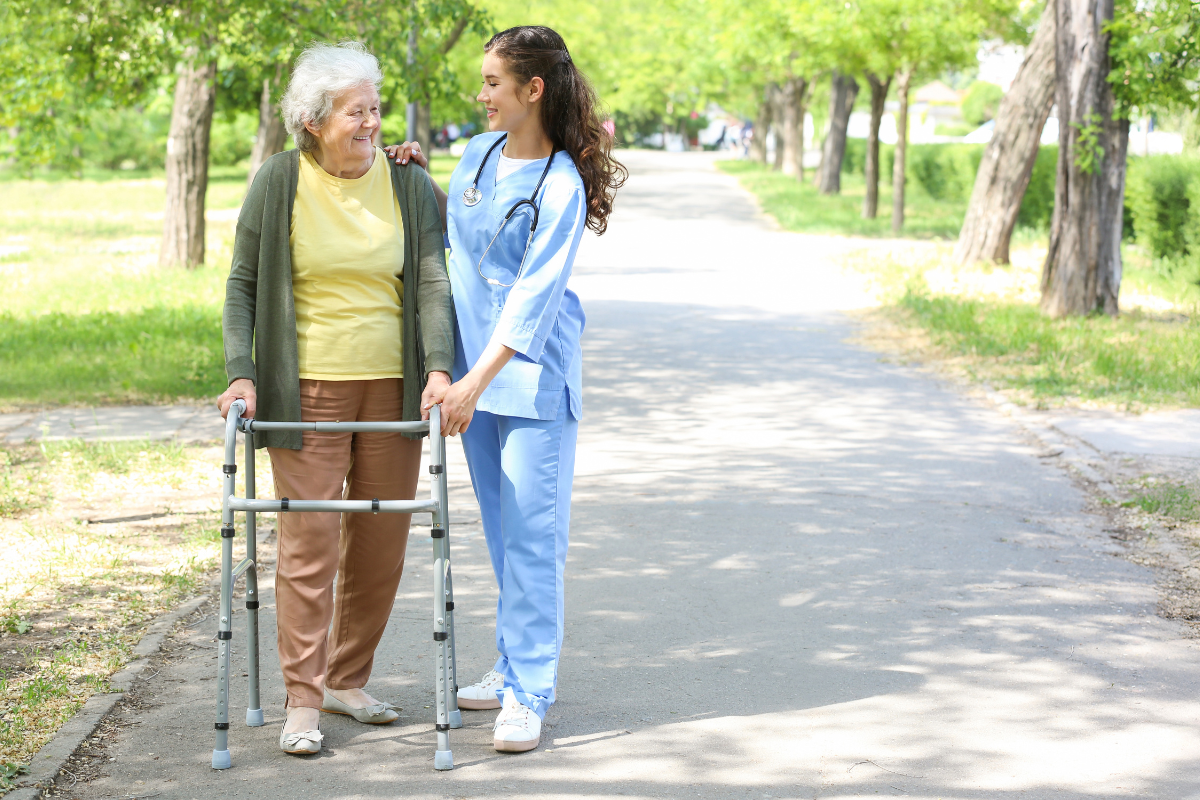
Your dad used to walk to the mailbox every morning. Lately, he waits for someone else to bring the mail in. Maybe he’s worried about falling, or maybe the walk has simply become harder than it looks.
When you’re caring for an aging loved one, changes like that can raise questions. Would more activity help? What kind of movement is safe? And how do you bring it up without making your parent feel pushed?
Exercise for seniors doesn’t have to begin with a class or a strict schedule. It can begin with an activity your loved one enjoys and feels comfortable trying. The goal is to help them keep doing the things that matter in their daily life.
Why Is Exercise Important for Older Adults?
Regular physical activity supports strength, balance, heart health, sleep, and emotional well-being. It can also make everyday tasks easier, from getting out of a chair to moving around the house. The National Institute on Aging notes that being active can help older adults maintain the physical function they need for independent living.
For families, that benefit is personal. Your mom may want to keep watering her garden. Your uncle may want to walk into church without feeling unsteady. Physical activity can help older adults continue participating in familiar parts of their lives.
There’s no single exercise plan that fits everyone. Someone who has always enjoyed walking may want to keep walking, with a shorter route or a companion. Someone else may prefer gentle movement at home. Their health, mobility, interests, and healthcare provider’s guidance should shape the plan.
Exercise Helps Seniors Maintain Strength and Independence
Muscle strength plays a part in tasks we rarely think of as exercise: standing at the kitchen counter, carrying a light bag, or rising from a favorite chair. When those tasks become harder, an older adult may start doing less, even if they still want to do things for themselves.
Strength-building activity can help maintain the muscles used in daily life. Depending on the person’s abilities, that might include exercises with a resistance band, light weights, or movements recommended by a physical therapist. The CDC’s physical activity guidance for older adults recommends muscle-strengthening activity on at least two days a week as part of a broader activity routine.
Pay attention to what your loved one wants to keep doing independently. If preparing lunch matters to them, the aim may be to help them feel comfortable standing, moving between the counter and table, and handling the parts of the task they can safely manage. Support works best when it leaves room for their choices.
Balance Activities Can Help Reduce Fall Risk
Fear of falling can change a person’s day. A loved one may stop going outside, avoid an activity they enjoy, or stay seated because moving feels uncertain.
Physical activity that includes balance and coordination can help reduce fall risk. The CDC includes balance activities in its recommendations for older adults, alongside aerobic and strength-building activity.
If your loved one has already fallen, seems newly unsteady, or is afraid to move around the house, tell their healthcare provider. They can help determine what’s contributing to the change and whether a physical therapist should recommend appropriate activities.
You can also look at the space around them. Clear walking paths, adequate lighting, and shoes that fit well may make it easier to move with confidence. Our guide to keeping an aging parent safe at home offers more ways to think through the home environment.
Movement Supports Sleep, Mood, and Social Connection
Some benefits of activity have little to do with physical strength. The National Institute on Aging reports that physical activity can help reduce feelings of anxiety, improve sleep, and support emotional well-being. Activities done with other people offer an opportunity for connection, too.
That could look like a walk with a neighbor, a gentle exercise class, or a few minutes outside with a family member. The conversation may be as valuable to your loved one as the activity itself.
Ask what sounds enjoyable to them. “Would you like to walk around the garden with me?” may feel more inviting than “You need to exercise.” If they decline, listen to why. They may be tired, uncomfortable, worried about falling, or simply uninterested in the activity you suggested. That gives you a better starting point for finding something that fits.
Physical Activity Can Support Long-Term Health
Regular activity is associated with a lower risk of heart disease, stroke, and type 2 diabetes. It can also support bone health and help older adults live independently longer, according to the CDC. These benefits build over time, and activity can still be worthwhile when someone starts later in life.
That doesn’t mean every older adult needs to work toward the same target immediately. The CDC recommends that adults 65 and older aim for 150 minutes of moderate-intensity aerobic activity each week, along with strength and balance activities. A person who is currently inactive can start with a manageable amount and build gradually, based on their abilities and medical guidance.
If your loved one has a chronic condition, a recent injury, or a significant change in mobility, ask their healthcare provider what activities are appropriate. They may suggest modifications or help you identify symptoms that mean it’s time to stop and seek advice.
How to Help an Aging Loved One Get Started
Begin with their usual day. When do they have the most energy? What do they already enjoy? Which activities feel difficult now? Their answers can help you choose a starting point that feels useful to them.
A few practical ways to begin include:
- Make the first step small. Try a short walk together or a few minutes of movement your loved one can do comfortably.
- Connect activity to something familiar. A walk after breakfast or time tending to plants may fit more easily into the day than a new appointment.
- Offer company. A family member, friend, or caregiver can make an activity more pleasant and help you notice when your loved one needs a break.
- Let them choose. Ask whether they’d rather move indoors or outside, alone or with someone else, in the morning or later in the day.
- Revisit the plan. What feels comfortable now may need to change as your loved one’s health or confidence changes.
The goal is to build activity around the habits and preferences they already have.
Helping Seniors Stay Active at Home
It’s hard to keep an activity going when every day requires someone to organize it. Families may be balancing work, appointments, and other caregiving needs. Your loved one may also need company or help getting ready before they feel comfortable going out.
A consistent routine can make movement easier to remember and more enjoyable to do. A caregiver might provide companionship for an activity, help with transportation, or support the daily tasks around it, depending on your loved one’s needs and care plan. At Sitters, LLC, we help families find caregivers who can support independence and familiar routines at home.
Start with what your loved one misses doing. A walk to the mailbox may seem small, but it may be a part of the day they’d like to have back. Their healthcare provider can help you decide how to approach that goal safely. If your family could use help making activity part of a familiar routine, get in touch, and we can talk through your loved one’s needs and what support at home might look like.